
U.S. Overdose Deaths Are Falling Sharply, but Researchers Say the White House Is Overstating Its Role

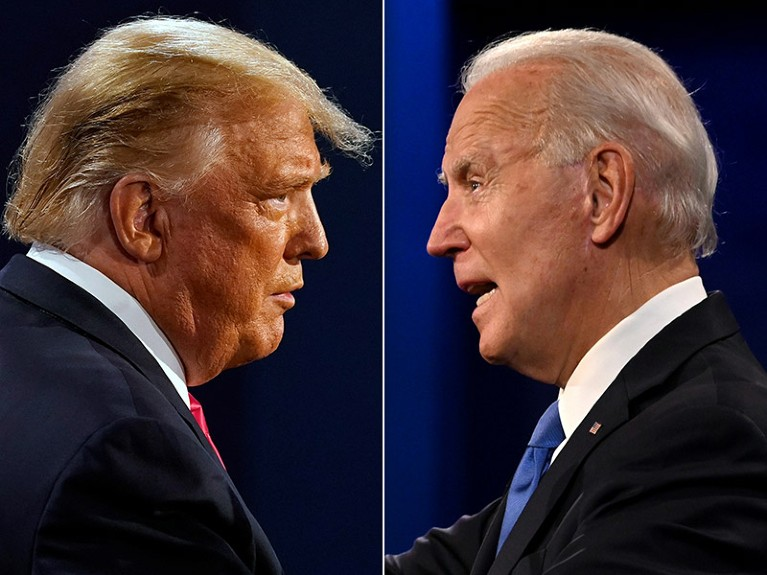
Fatal drug overdoses in the United States have fallen to their lowest level in about a decade, according to new CDC provisional data. The White House highlighted the numbers this week. But drug policy experts told NPR that the administration’s explanation of the trend leaves out key parts of the story, NPR reported.
What the White House said
The White House Office of National Drug Control Policy (ONDCP) said the drop is saving close to 50,000 lives a year. ONDCP director Sara Carter said the decline shows America is “unequivocally winning the fight against illicit drugs,” NPR reported.
Carter credited stronger border security under President Donald Trump and efforts against what the administration calls “narco-terrorist” groups. The statement also said overdose deaths are down about 41.5% from their peak under the previous administration. It said most of the improvement came in the last 18 months, which would place the gains under Trump.
What the data show
According to NPR, the CDC figures tell a different story about timing. Overdose deaths have declined for at least 39 straight months, beginning in 2023. By the time President Joe Biden left office, deaths had already fallen by roughly a third, a drop addiction specialists called unprecedented when it happened.
“Since the spring of 2023, we have seen a steady decline,” Brookings Institution drug policy expert Vanda Felbab-Brown told NPR, adding that the decline has lasted.
Nabarun Dasgupta, a street drug researcher at the University of North Carolina at Chapel Hill, was among the first to spot the downturn. He told NPR it began in some regions and demographic groups as early as 2021 and then spread nationally. The steepest declines on record came between early 2024 and spring 2025, he said.
Both researchers said the decline has continued under Trump. They stressed that an accurate timeline matters because scientists are still working out why fentanyl deaths climbed so high and why they have dropped so quickly.
How the crisis unfolded
NPR traced the rise in fentanyl deaths to 2013, during President Barack Obama’s tenure. Deaths accelerated in Trump’s first term and jumped sharply in the first two years of Biden’s presidency, during the COVID-19 pandemic. Fentanyl is still the leading cause of overdose deaths in the country.
The experts NPR interviewed pointed to several Biden-era steps they believe helped:
- Expanding access to health care
- Making the overdose-reversal drug naloxone easier to get
- Negotiating an agreement with China to restrict shipments of chemicals used to make fentanyl
- Interdiction efforts against Mexican cartels
The White House responds
When NPR asked about the Biden-era progress, Carter blamed the previous administration for failing to secure the border and for letting deaths reach record highs. She said Biden should not get credit for lowering a toll that his own policies helped create. She also said that viewing the earlier declines as progress “could be misinterpreted,” according to NPR.
Carter said the current administration will build on the gains by keeping up border enforcement and continuing to go after trafficking organizations.
Felbab-Brown disagreed that the cartels are being dismantled. She told NPR she could not name a single such group that has been eliminated, and said they remain strong and active. NPR also noted that military experts have questioned both the effectiveness and the legality of U.S. strikes on suspected smuggling boats in the Caribbean and eastern Pacific.
Will the progress last?
Dasgupta told NPR he is worried about the coming year, when large Medicaid cuts passed by Congress take effect. The Congressional Budget Office has estimated the cuts could leave up to 10 million Americans without health coverage. Medicaid is the country’s largest funder of addiction services, Dasgupta said, and restricting eligibility or access to treatment would leave vulnerable people without help.
Source: This article is based on reporting by NPR. Read the original story, “As overdose deaths fall, White House makes misleading claims about who deserves credit,” by Brian Mann, which aired on All Things Considered.