Arc eye (photokeratitis): symptoms, causes, and treatment

Arc eye, also known as photokeratitis, is a painful condition caused by ultraviolet (UV) burns to the cornea. Many people may not realize they have suffered an eye injury until several hours after exposure, and understanding arc eye symptoms, causes, and proper actions is essential. Prompt recognition and appropriate care are important for protecting long-term eye health.
Arc eye is most commonly associated with welding, but many other situations can expose the eyes to harmful UV rays. People who suspect they might have arc eye often notice arc eye symptoms hours after the actual exposure, not right away. This delay can make it challenging to connect cause and effect. Knowing the symptoms, when to seek arc eye treatment, what to avoid, and how to prevent further damage is key for anyone at risk of UV exposure to the eyes.
Understanding arc eye and how symptoms develop
Arc eye, or photokeratitis, occurs when ultraviolet light burns the cornea, the clear surface at the front of the eye. This type of eye injury does not usually cause pain or discomfort immediately. Instead, symptoms often appear several hours after exposure, which can cause a person to underestimate the risks at the time of the incident. For example, after working with welding equipment, using certain lamps, or being in high-glare environments, people may not realize they have been injured until symptoms appear later.
The delayed onset of arc eye symptoms often leads individuals to downplay or miss the early warnings. Workers, skiers, or tanning bed users may assume their eyes are safe until pain or sensitivity develops hours afterward. This unique pattern of onset makes it especially important to recognize typical symptoms and understand common risk factors.
Common symptoms and causes beyond welding
The hallmark symptoms of arc eye include a pronounced gritty or foreign body sensation in the eyes, pain, tearing, redness, and sensitivity to light. Some people notice blurred vision or find it very uncomfortable to keep their eyes open in bright conditions. Because these symptoms can mimic other eye issues, professional assessment is necessary for proper arc eye treatment.
While welding arcs are the classic risk, there are several other sources of harmful UV radiation. UV lamps used in laboratories, industrial settings, or even in entertainment venues can cause injury, as can strong sunlight reflected off snow, sometimes called “snow blindness.” Occasional use of tanning beds and insufficient eye protection both increase the risk of arc eye in unexpected contexts.
Protecting your eyes and the role of UV-rated eyewear
Prevention is essential to avoid the pain and disruption associated with arc eye. The best approach is to shield your eyes from hazardous UV sources by using appropriate protective equipment. In work environments, during outdoor sports like skiing, or in places where intense artificial UV light is present, eye protection should always be a priority.
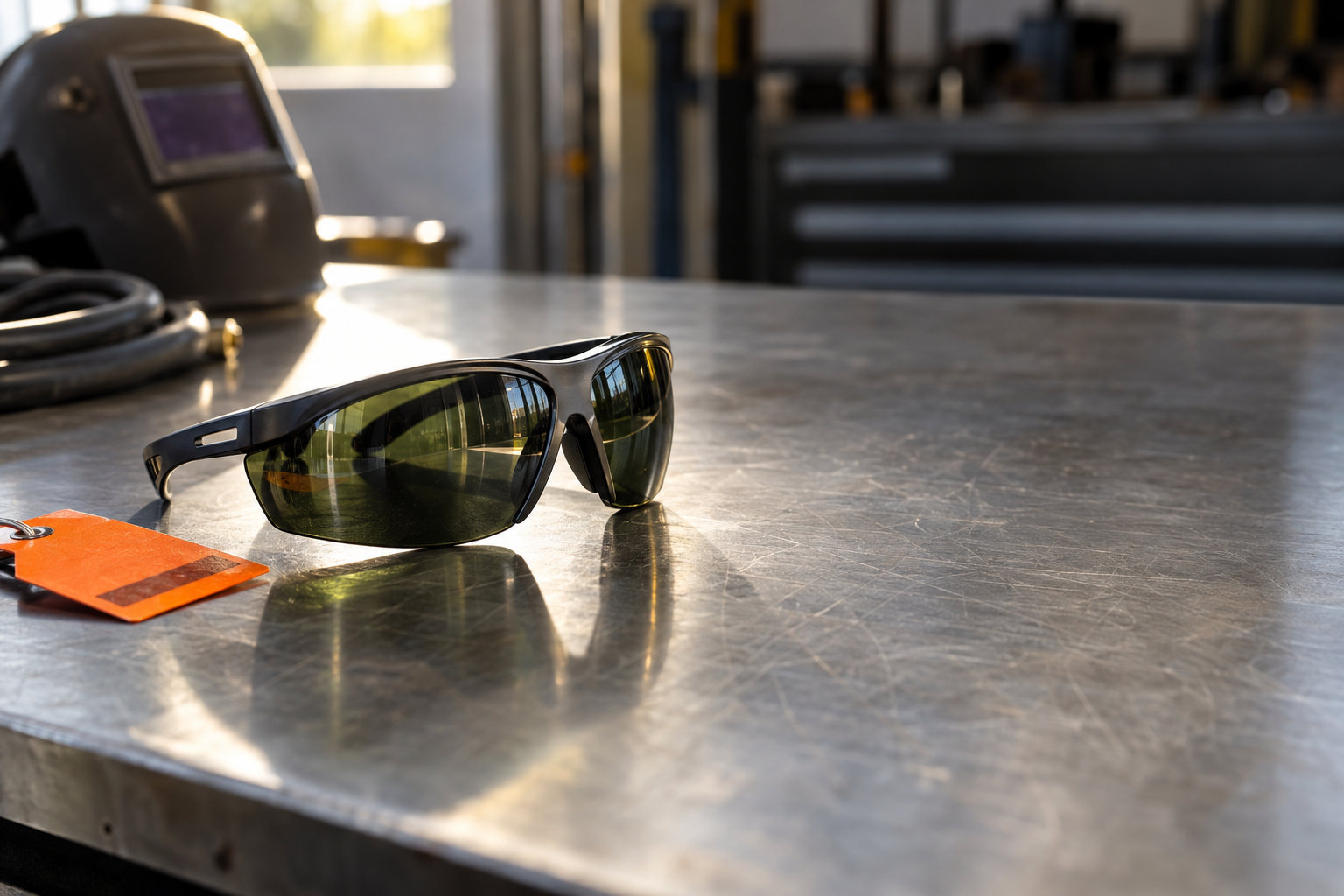
Wearing Arc Eye protection glasses is one practical option for reducing the risk of UV-related injuries. These glasses are designed to block harmful UV rays and are especially useful in welding shops, industrial labs, or anywhere bright UV sources are present. Consistent use, a proper fit, and choosing the right level of protection for each activity are all important factors for effective prevention.
What to do if you suspect arc eye and when to seek care
If you experience discomfort, pain, tearing, or light sensitivity after possible UV exposure, do not rub your eyes. Avoid using numbing or anesthetic eye drops unless specifically directed by a medical professional, as these can hide pain and complicate your diagnosis. Self-treatment can delay healing and may result in more serious problems.
It’s important to seek medical attention if your symptoms are severe, do not improve, or are accompanied by blurred vision, marked redness, or discharge. Persistent pain or difficulty opening the eyes should always be evaluated promptly. Seeing a healthcare provider helps confirm the diagnosis and prevents other complications, as many conditions can mimic arc eye. Beyond addressing immediate symptoms, staying informed about other potential threats to vision is an important part of protecting long-term eye health, particularly as research continues to identify additional factors associated with serious eye conditions.
Recovery and prevention strategies for the future
Many cases of arc eye will heal within a day or two, but the severity and recovery time can vary. Medical evaluation ensures the injury is correctly identified and helps guide appropriate arc eye treatment. By understanding environments and activities that can expose you to UV radiation, you can make informed choices to protect your eyes.
Always use certified protective eyewear when working with or near UV sources or intense sunlight. Awareness, preparedness, and consistent safety practices will minimize your risk of arc eye. Recognizing arc eye symptoms early and knowing when to seek medical care are crucial steps toward safeguarding your vision and preventing future injuries.