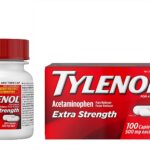


Is Tylenol an NSAID? Let’s Break It Down Together
If you’ve ever had a headache, a toothache, a sore back, or even just some general aches and pains, chances are you’ve reached for something in your medicine cabinet. Maybe you grabbed a bottle of Tylenol. It is one of the most common pain relievers in the world and found in millions of homes. But here’s a question that a lot of people wonder about: is Tylenol an NSAID?
That might seem like a simple yes or no question, but there’s a little more to it. To understand the answer, we need to take a small step back and understand what Tylenol really is, what NSAIDs are, and how the two compare. So let’s talk it through like we’re having a chat over coffee.
First Things First: What is Tylenol?
Tylenol is a brand name, just like Advil or Motrin. The active ingredient in Tylenol is a drug called acetaminophen. In some parts of the world, like the UK or Australia, it’s known as paracetamol. But whether you call it acetaminophen or paracetamol, it’s the same medicine.
People take Tylenol to relieve mild to moderate pain. That includes things like headaches, muscle aches, menstrual cramps, toothaches, backaches, and even fevers. It’s gentle enough that even children and pregnant women can usually take it, though it’s always best to check with a doctor.
Okay, So What is an NSAID?
NSAID stands for Nonsteroidal Anti-Inflammatory Drug. That’s a mouthful, right? But it just means a type of medicine that helps reduce inflammation without being a steroid.
Some of the most popular NSAIDs are:
These drugs reduce pain, lower fever, and most importantly, they reduce inflammation. That makes them helpful for things like arthritis, sports injuries, and swelling after surgery.
So you might be thinking: Tylenol helps with pain and fever too. Doesn’t that mean it’s an NSAID?
Not quite.
So, Is Tylenol an NSAID?
No, Tylenol is not an NSAID. This is a common mistake, and it’s easy to see why. Tylenol and NSAIDs both treat pain and reduce fever. But they work in different ways, and Tylenol doesn’t reduce inflammation the way NSAIDs do.
Here’s the simplest way to put it:
- Tylenol (acetaminophen) = pain relief + fever reduction
- NSAIDs = pain relief + fever reduction + inflammation reduction
That difference might not matter for every kind of pain, but it can be very important depending on what you’re treating.
Why Isn’t Tylenol an NSAID?
The difference comes down to how the drugs work inside your body.
NSAIDs work by blocking enzymes called COX-1 and COX-2. These enzymes are part of a process that produces prostaglandins, which are chemicals that cause pain, fever, and inflammation. So when you block the enzymes, you reduce those symptoms.
Tylenol, on the other hand, works mainly in the brain and spinal cord, not throughout the whole body. It also affects prostaglandins, but in a different and more limited way. Because of this, Tylenol doesn’t really do much for inflammation in your muscles, joints, or tissues.
Scientists are still learning about exactly how acetaminophen works, but what’s clear is that it doesn’t have strong anti-inflammatory effects. That’s the main reason it isn’t considered an NSAID.
When Should You Use Tylenol Instead of an NSAID?
Now that we know Tylenol is not an NSAID, you might wonder when you should choose it over something like ibuprofen or aspirin.
Here are some good times to go with Tylenol:
1. When you need pain relief but don’t have inflammation
For things like a mild headache, a basic fever, or general discomfort, Tylenol can be a great choice. You probably don’t need the anti-inflammatory effects of an NSAID for those kinds of problems.
2. If you have a sensitive stomach
NSAIDs can be hard on the stomach. They can cause irritation, ulcers, or even bleeding if you take them too often. Tylenol, in contrast, is usually much gentler on your digestive system.
3. If you have kidney issues
NSAIDs can affect kidney function, especially in older adults or people with existing kidney problems. Tylenol doesn’t have the same risks for the kidneys when taken at the right dose.
4. During pregnancy
Pregnant women are often told to avoid NSAIDs, especially in the later stages of pregnancy. Tylenol is generally considered safer, although it should still be used under a doctor’s guidance.
When Should You Use an NSAID Instead of Tylenol?
There are also times when an NSAID might be a better choice.
1. When inflammation is part of the problem
If your pain is caused by inflammation, like in arthritis, a sprained ankle, or a swollen joint, an NSAID will probably work better. Tylenol can dull the pain, but it won’t reduce the swelling.
2. For certain types of headaches
Migraines or tension headaches that come with muscle tightness or inflammation may respond better to NSAIDs than to Tylenol.
3. For period pain
Menstrual cramps are often caused by uterine inflammation. NSAIDs like ibuprofen can target that inflammation directly, making them more effective than Tylenol in many cases.
What About Mixing Tylenol and NSAIDs?
This is an interesting topic. In some cases, doctors actually recommend combining Tylenol with an NSAID like ibuprofen to get better pain relief. That’s because they work in different ways, so you can get more complete relief without increasing the risk of side effects—as long as you take the right doses and don’t take both at the exact same time.
For example, some people alternate the two every few hours. This can be helpful in situations like dental surgery or post-operative pain, but you should always talk to a healthcare provider before trying this combo on your own.
Are There Any Risks with Tylenol?
While Tylenol is generally safe, there’s one very serious risk that everyone should know about: liver damage.
Taking too much acetaminophen can be extremely dangerous for your liver. It’s actually one of the leading causes of acute liver failure, especially when people accidentally take more than the recommended dose.
The general adult limit is 4,000 milligrams per day, but it’s often recommended to stay closer to 3,000 mg to be safe. It’s especially important to read labels carefully, because acetaminophen is found in many combination medicines like cold and flu drugs, sleep aids, and even some prescription painkillers.
So don’t think “it’s just Tylenol, it’s harmless.” Like any medicine, it needs to be used with care.
To Sum It Up
So, is Tylenol an NSAID?
Nope, it’s not. Even though it helps with pain and fever just like NSAIDs do, it doesn’t reduce inflammation. That’s the key difference.
Here’s a quick summary of what we talked about:
- Tylenol is the brand name for acetaminophen, a common pain reliever and fever reducer.
- NSAIDs, like ibuprofen and aspirin, reduce pain, fever, and inflammation.
- Tylenol is not an NSAID because it doesn’t significantly reduce inflammation.
- Tylenol is often a better choice for people with stomach problems, kidney issues, or during pregnancy.
- NSAIDs are better for conditions involving inflammation, like arthritis or injuries.
- You can sometimes alternate or combine the two under medical supervision.
- Be careful not to overdose on Tylenol, as it can seriously harm your liver.
Final Thoughts
It’s easy to confuse Tylenol with NSAIDs because they’re both over-the-counter, used for pain and fever, and often sit on the same shelf at the pharmacy. But now you know the difference, and that can help you make better choices about what to take and when.
Medicine isn’t one-size-fits-all. What works best depends on your symptoms, your medical history, and even what other medications you’re taking. When in doubt, it’s always smart to ask a pharmacist or doctor for advice.
Thanks for taking the time to learn with me today. Hopefully, the next time you’re looking at your medicine shelf and trying to decide between Tylenol and ibuprofen, you’ll feel a lot more confident about what each one does and how they’re different.