

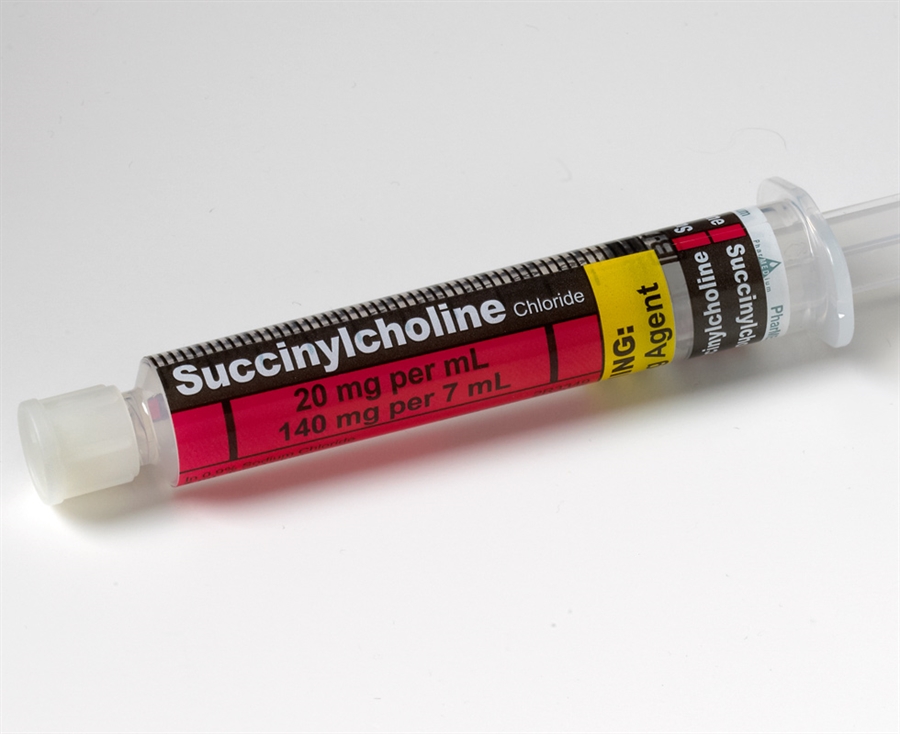
Drugs That Cause Malignant Hyperthermia
Malignant hyperthermia (MH) is a rare but potentially life-threatening condition that can occur in response to certain drugs used during general anesthesia. Malignant... Read more.
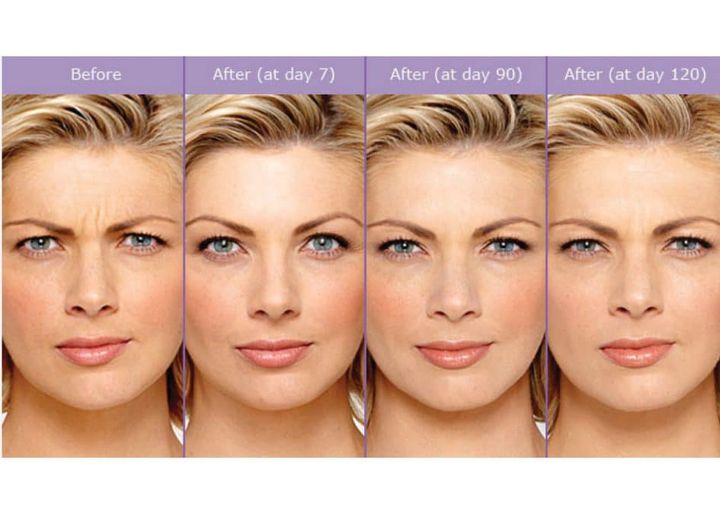
Why Can’t You Lay Down After Botox?
Botox is a brand name for a type of purified protein derived from the bacteria Clostridium botulinum. The use of this toxin for cosmetic purposes can be traced back... Read more.

The 5 Top Health Benefits of Starbucks Medicine Ball
What is Starbucks Medicine Ball? The Starbucks Medicine Ball, also known as “honey citrus mint tea” or “cold buster tea,” was created by... Read more.

Does Eliquis Cause Depression or Anxiety?
Eliquis (apixaban) was developed by Bristol-Myers Squibb and Pfizer as a medication for the prevention of blood clots and the reduction of the risk of stroke in... Read more.
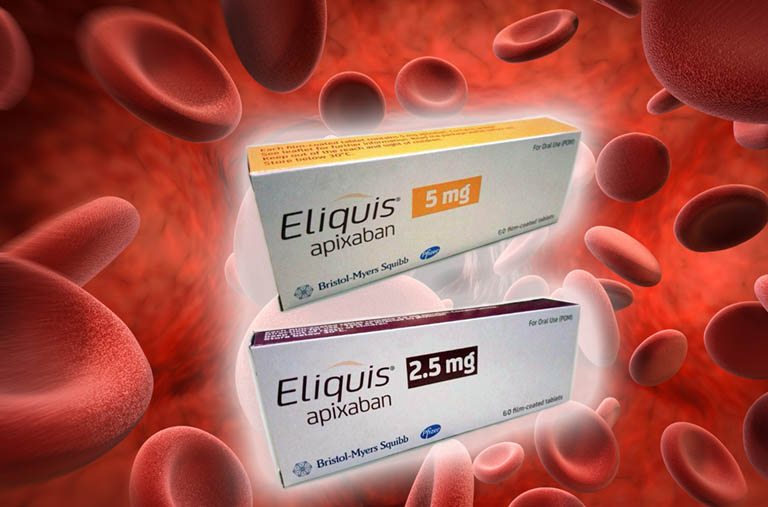
The Worst 6 Eliquis Side Effects
Eliquis is a prescription medication used to reduce the risk of stroke and blood clots in people with certain medical conditions, including atrial fibrillation,... Read more.
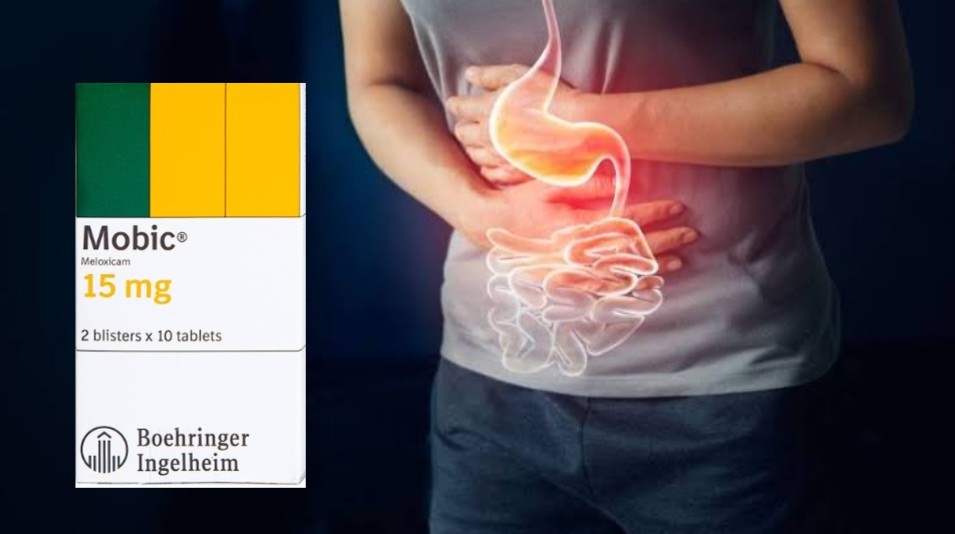
The 5 Worst Side Effects Of Meloxicam? (+Warnings)
Meloxicam is a nonsteroidal anti-inflammatory drug (NSAID) that is used to relieve pain and reduce inflammation in conditions such as osteoarthritis, rheumatoid... Read more.
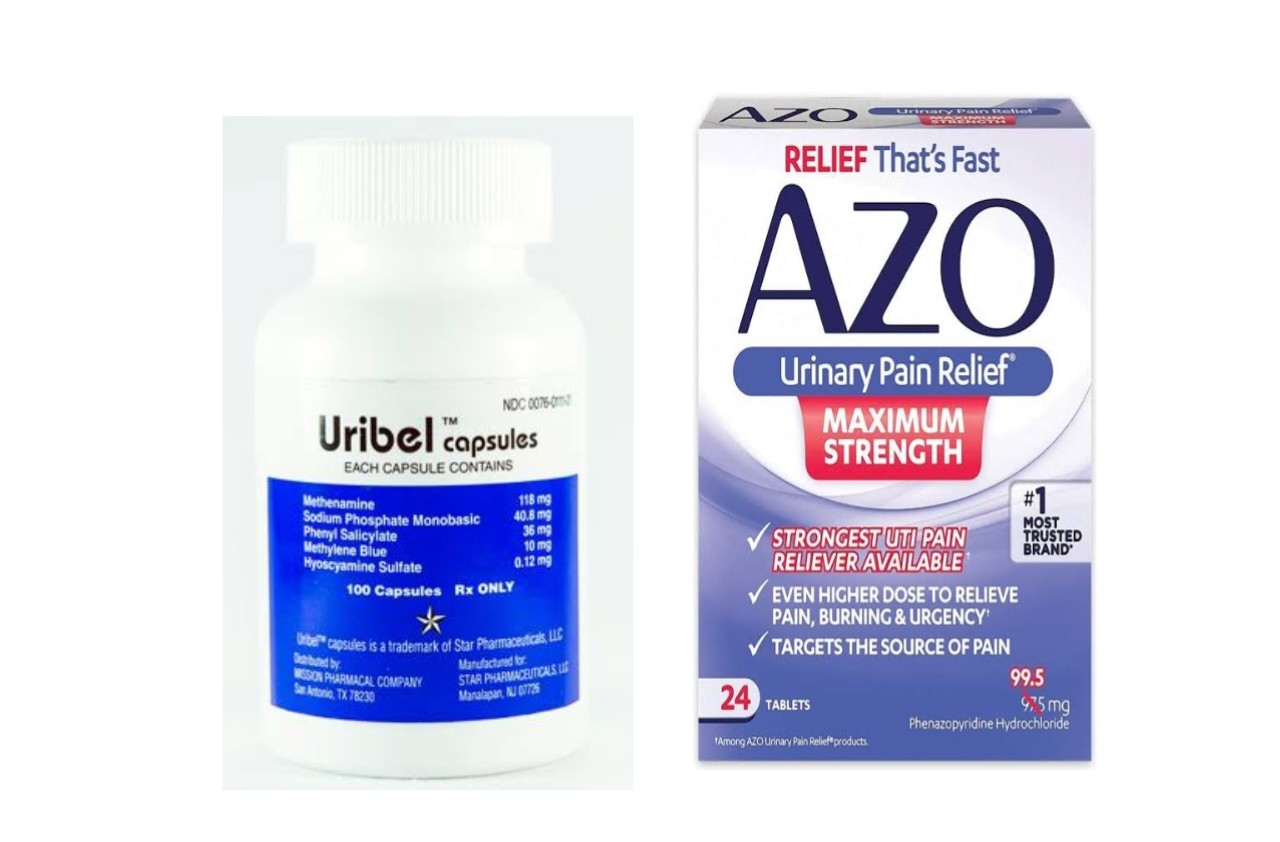
Uribel Vs AZO: Differences and Similarities
Uribel and AZO are both medications used to relieve symptoms of urinary tract infections (UTIs), such as pain, burning, and urgency. UTIs are common, particularly... Read more.

Why Can’t You Lay Down After Taking Uribel?
Uribel is a medication used to relieve discomfort and pain associated with urinary tract infections (UTIs) and other urinary tract-related conditions. It contains... Read more.
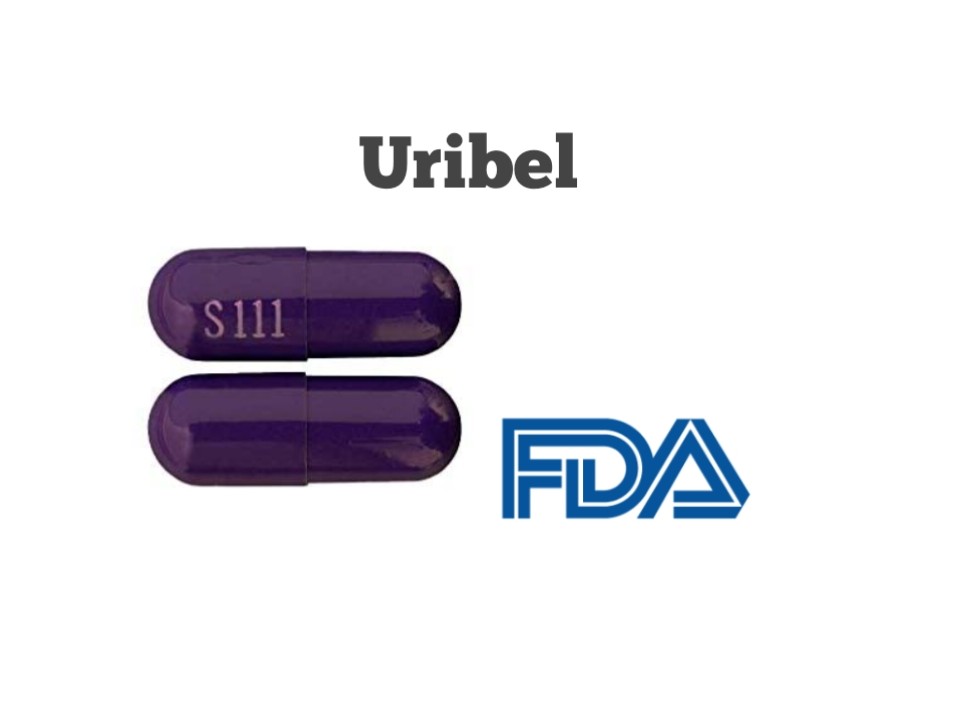
Why Was Uribel Discontinued?
Uribel is a prescription medication that is used to relieve the symptoms of urinary tract irritation and discomfort, including pain, burning, urgency, and frequency.... Read more.

How Long Should I Lay Down After Taking Misoprostol?
What is Misoprostol? Misoprostol is a medication used to prevent and treat stomach ulcers, particularly those caused by the use of nonsteroidal anti-inflammatory... Read more.