Is Red Yeast Rice Causing My Hearing Loss and Ear Problems?

Red yeast rice has become increasingly popular in the wellness and heart health communities as a natural alternative to statins for lowering cholesterol. But as more people turn to this supplement, some users report unexpected side effects—including issues with hearing and the ears. If you’re experiencing hearing loss, tinnitus, dizziness, or pressure in the ears and you’re taking red yeast rice, you’re not alone in wondering: Could this supplement be the cause?
In this article, we explore the science, case reports, and mechanisms that could potentially link red yeast rice to auditory complications. We’ll also examine user experiences, expert perspectives, and what you should do if you’re worried about your hearing while on this supplement.
What Is Red Yeast Rice?
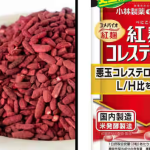
Red yeast rice is a fermented product made by culturing Monascus purpureus, a type of yeast, on white rice. It has been used in traditional Chinese medicine for centuries to promote circulation and aid digestion. However, modern interest in red yeast rice centers around its active compound—monacolin K—which is chemically identical to the prescription statin drug lovastatin.
Because of this, red yeast rice acts like a mild statin, helping to lower LDL (“bad”) cholesterol and reduce overall cardiovascular risk. It’s often marketed as a “natural” solution to high cholesterol, attracting people who are wary of pharmaceutical statins and their side effects.
But here’s the catch: like statins, red yeast rice may carry risks and side effects, including muscle pain, liver toxicity, and—possibly—issues related to hearing.
Understanding the Link: Hearing Problems and Red Yeast Rice
While hearing loss is not commonly listed on most red yeast rice supplement labels as a known side effect, anecdotal evidence and pharmacological logic suggest a possible connection.
Here are the primary hearing-related issues people have reported after taking red yeast rice:
- Tinnitus – Ringing, buzzing, or humming sounds in the ear.
- Hearing loss – Sudden or gradual decrease in hearing, often in one ear.
- Ear fullness or pressure – Feeling like the ear is plugged or under pressure.
- Dizziness or vertigo – A sense of spinning or imbalance, sometimes linked to the inner ear.
Statins and Hearing: Is There a Precedent?
To understand how red yeast rice might affect hearing, it’s helpful to examine what’s known about statins—the prescription cholesterol-lowering drugs it mimics.
Over the past two decades, multiple studies have examined the impact of statins on hearing. The results are conflicting:
- A 2008 study published in Otolaryngology–Head and Neck Surgery suggested a possible association between statin use and sensorineural hearing loss in elderly patients.
- Conversely, a 2014 review in The Laryngoscope found no consistent evidence linking statin use with hearing impairment.
- However, some case reports have documented patients experiencing reversible hearing loss or tinnitus while on statins, which resolved upon discontinuation of the drug.
Given that red yeast rice contains monacolin K, it’s plausible that similar mechanisms could be at play in people taking it as a supplement.
How Could Red Yeast Rice Affect Hearing?
Let’s explore a few biological theories:
1. Ototoxicity
“Ototoxic” substances are those that can damage the inner ear or auditory nerve, leading to hearing issues. Statins have been hypothesized to be mildly ototoxic in some people, especially those sensitive to their effects. Red yeast rice could carry similar risks due to its lovastatin content.
2. Vascular Impact
Hearing relies on delicate blood flow to the cochlea and inner ear structures. Cholesterol-lowering agents can, in rare cases, disrupt microvascular circulation in susceptible individuals. If blood flow to the ear is compromised, it could result in hearing changes or tinnitus.
3. Mitochondrial Damage
Statins are known to interfere with Coenzyme Q10 (CoQ10) synthesis—a molecule essential for mitochondrial energy production. Mitochondrial dysfunction has been implicated in both tinnitus and hearing loss. If red yeast rice similarly depletes CoQ10, it could theoretically affect auditory cells and contribute to hearing issues.
Real User Reports and Anecdotal Evidence
Though formal studies on red yeast rice and hearing loss are scarce, forums, online reviews, and health platforms like MedsSafety.com or WebMD reveal that some users have reported:
- Onset of ringing in the ears within weeks of starting the supplement.
- Dizziness or a sensation of fullness in the ears.
- Mild to moderate hearing changes that subsided after stopping red yeast rice.
Here’s a sample user testimonial:
“I started taking red yeast rice to manage my cholesterol naturally. Within a month, I began noticing a high-pitched ringing in my right ear. My doctor couldn’t find an infection or wax buildup. I stopped the supplement and the ringing gradually faded.”
While these accounts do not confirm causation, they suggest the need for awareness and further investigation.
Risk Factors That May Increase Susceptibility
Not everyone who takes red yeast rice will experience ear-related issues. However, certain factors might increase your risk:
- High doses (above 1200 mg per day)
- Combination with other statins or cholesterol-lowering drugs
- Low CoQ10 levels
- Age-related hearing sensitivity
- Pre-existing tinnitus or ear problems
- Poor liver or kidney function
- Exposure to loud noise or ototoxic medications
What Should You Do If You Suspect Red Yeast Rice Is Affecting Your Hearing?
If you notice new or worsening ear symptoms while on red yeast rice, follow these steps:
1. Stop the Supplement Temporarily
Discontinue red yeast rice and monitor whether your symptoms improve. Many users report symptom reversal within 1–2 weeks of stopping.
2. Consult a Healthcare Provider
Speak with your doctor or an audiologist. They may recommend:
- Hearing tests (audiometry)
- Blood work to assess liver function and CoQ10 levels
- Alternative cholesterol management options
3. Supplement with CoQ10
Some studies suggest CoQ10 supplementation may mitigate statin-related side effects. Taking 100–200 mg per day of CoQ10 might support ear and nerve health, though this should be done under medical guidance.
4. Report Side Effects
If you strongly suspect red yeast rice caused your symptoms, consider filing a report with your country’s health authority (e.g., FDA MedWatch in the U.S., MHRA in the UK).
Safer Alternatives for Cholesterol Management
If red yeast rice causes problems for you, don’t panic. There are other options:
- Dietary interventions: Mediterranean diet, plant sterols, and soluble fiber.
- Other supplements: Berberine, omega-3 fatty acids, psyllium husk.
- Lifestyle changes: Weight loss, exercise, reduced alcohol intake.
Speak to a healthcare provider before starting any new regimen.
Final Thoughts: A Need for Caution and Awareness
While red yeast rice may be effective for managing cholesterol, it’s not without risk. Because it’s marketed as a supplement rather than a regulated pharmaceutical, its side effect profile is less well-documented—and that includes potential effects on hearing.
If you’re taking red yeast rice and notice hearing loss, tinnitus, dizziness, or pressure in your ears, it’s worth taking seriously. Your hearing is too valuable to ignore subtle warning signs.
Key Takeaways:
- Red yeast rice contains monacolin K, which mimics statin drugs and may carry similar side effects.
- Hearing issues like tinnitus, dizziness, or loss may occur in rare cases.
- Mechanisms may involve ototoxicity, reduced blood flow, or mitochondrial dysfunction.
- Discontinuation often resolves symptoms, especially if caught early.
- Consult your doctor before stopping or switching supplements.