


How Long Does It Take For Low Dose Naltrexone (LDN) To Work?
What Is Low-Dose Naltrexone? Naltrexone is an opiate antagonist that is taken orally to block opioid docking sites (receptors) on cells. It is approved by the U.S.... Read more.

Low Dose Naltrexone Benefits
What Is Low Dose Naltrexone? Naltrexone is an opiate antagonist that is taken orally to block opioid docking sites (receptors) on cells. It is approved by the U.S.... Read more.
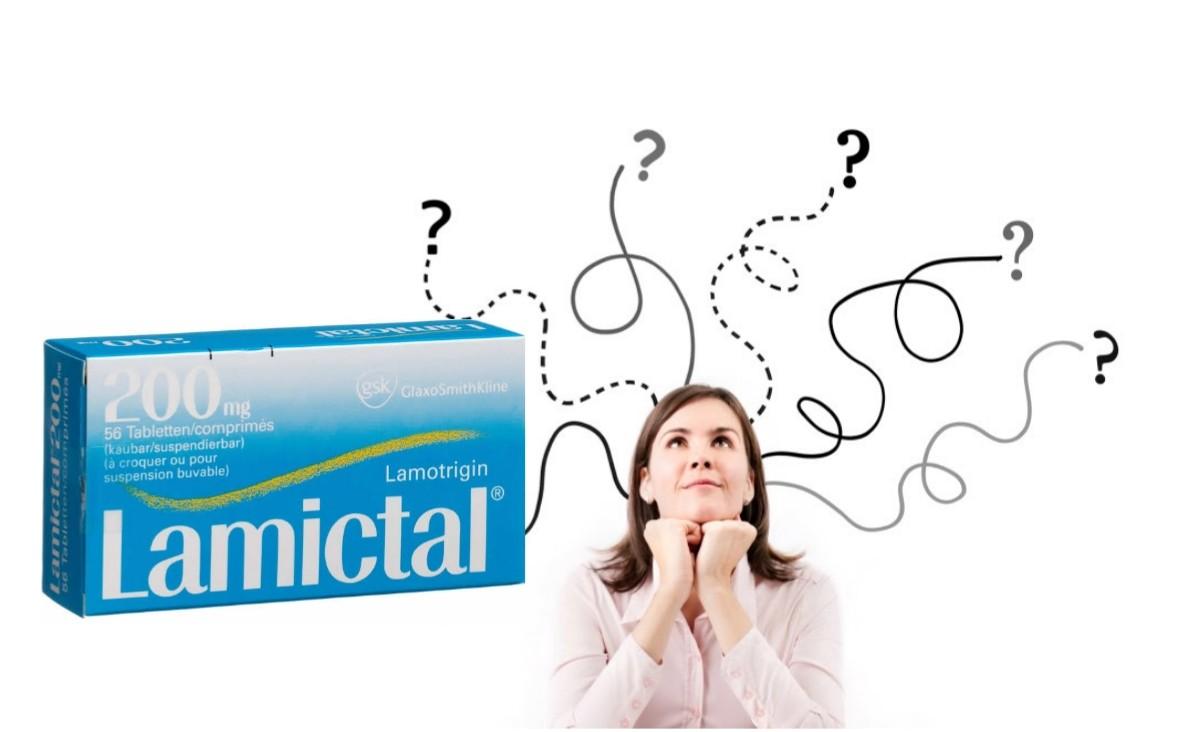
What Happens If You Take Lamictal And Are Not Bipolar?
Bipolar disorder (formerly called manic-depressive illness or manic depression) is a mental disorder that causes unusual shifts in mood, energy, activity levels,... Read more.
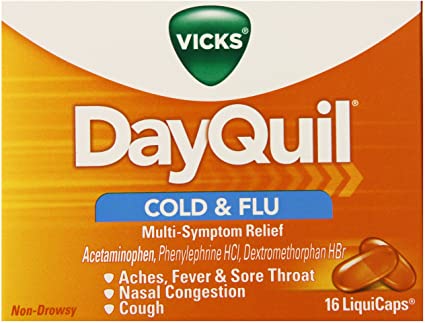
Can You Take DayQuil at Night?
What is DayQuil? DayQuil is an over-the-counter medication commonly used to relieve symptoms associated with the common cold, flu, or allergies. It typically contains... Read more.
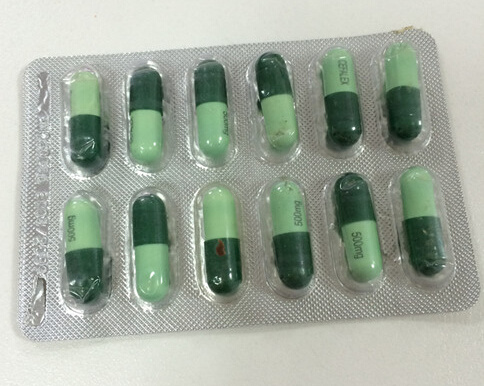
Cephalexin 500mg: Uses, Dosage, Side Effects, Interactions, Warnings
What is cephalexin 500mg used for? Cephalexin 500mg is an FDA-approved antibiotic. Cephalexin 500mg is a first-generation cephalosporin utilized in the treatment... Read more.

Five Major Causes Of Pancreatic Cancer You Must Know
Among all the cancers known to medical science, pancreatic cancer is quite hard to detect during its early stages. It remains the fourth major cause of cancer-related... Read more.
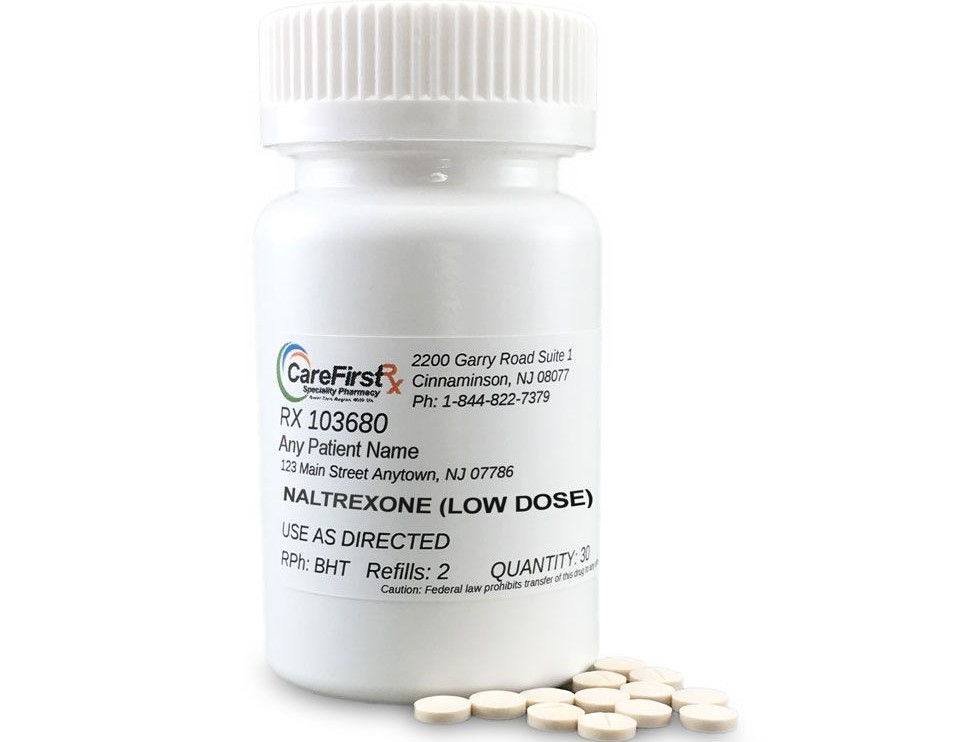
What to Avoid When Taking Low Dose Naltrexone
For most people, taking a new medication may mean switching up your lifestyle a bit and that includes the foods you eat. A drug interaction is a reaction between... Read more.

Is 1 mg of Estradiol A Low Dose?
Menopause is a point in time 12 months after a woman’s last period. The years leading up to that point, when women may have changes in their monthly cycles,... Read more.
What Happens When Vyvanse Dose is Too Low?
Attention-deficit/hyperactivity disorder (ADHD) is one of the most common mental disorders affecting children. ADHD also affects many adults. An estimated 8.4% of... Read more.

Is 0.5 mg of Lorazepam a Low Dose?
Anxiety disorders are the most common mental illness in the U.S., affecting 40 million adults in the United States age 18 and older, or 18.1% of the population every... Read more.