
Alibaba Health (AliHealth): Transforming Digital Healthcare in China

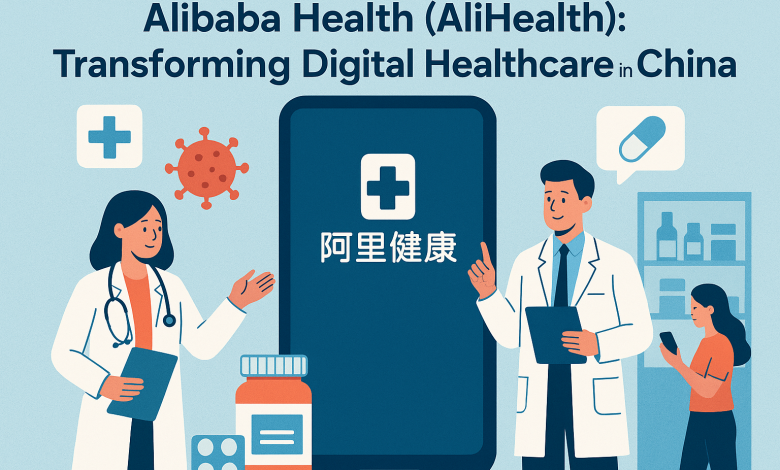
The digital transformation of healthcare is reshaping how billions of people access medicines, medical advice, and wellness services. At the forefront of this revolution in China is Alibaba Health Information Technology Limited (AliHealth), the healthcare arm of the Alibaba Group. With the rise of e-pharmacies, online consultations, and digital health ecosystems, Alibaba Health has emerged as one of the largest and most trusted platforms for medicine purchases, chronic disease management, and online medical services in Asia.
This article explores Alibaba Health’s journey, business model, services, innovations, challenges, and future growth opportunities, giving readers a comprehensive understanding of why AliHealth is shaping the future of global healthcare.
1. The Birth of Alibaba Health
Alibaba Health was officially founded in 2014, following Alibaba Group’s acquisition of CITIC 21CN, a Hong Kong-based company focused on pharmaceutical data tracking. This acquisition became the foundation of Alibaba’s healthcare business, giving rise to a fully digital platform for medical products, prescriptions, and healthcare services.
The vision was clear: leverage Alibaba’s massive e-commerce ecosystem, logistics, and payment systems to create a trusted, transparent, and consumer-friendly digital healthcare marketplace.
2. Why Alibaba Entered Healthcare
Healthcare in China has long faced challenges:
- Unequal access to medical services between rural and urban areas.
- Long hospital queues and overburdened doctors.
- Rising demand for chronic disease management.
- Concerns over counterfeit or unsafe medications.
Alibaba recognized an opportunity to combine its e-commerce infrastructure with big data, AI, and cloud technology to solve these problems at scale. By digitizing prescriptions, ensuring medicine authenticity, and connecting patients with doctors and pharmacies, Alibaba Health set out to transform the healthcare experience for millions.
3. Alibaba Health’s Business Model
AliHealth runs on a multi-dimensional business model, integrating retail, healthcare services, and data solutions:
a) Online Pharmacy (E-Pharmacy)
- Through Tmall Pharmacy (天猫医药馆), Alibaba Health sells a wide range of medicines, from over-the-counter (OTC) products like cold medicine and vitamins to prescription drugs for chronic conditions.
- The platform integrates with licensed brick-and-mortar pharmacies for fast delivery.
- Consumers benefit from QR-code drug verification, ensuring authenticity.
b) Online Medical Consultations
- AliHealth connects patients with licensed doctors for online consultations.
- Services include telemedicine, mental health counseling, and chronic disease management.
- Doctors can issue digital prescriptions, which are fulfilled by Alibaba’s pharmacy partners.
c) Health Management & Wellness
- Services go beyond medicine, including nutrition advice, fitness tracking, insurance integration, and vaccination booking.
- AliHealth promotes preventive healthcare, not just treatment.
d) Cloud-Based Medical Data
- Alibaba Cloud supports hospitals, clinics, and pharmacies with AI-driven diagnostics, big data analytics, and supply chain solutions.
- This improves drug traceability and healthcare decision-making across China.
4. Key Services and Innovations
4.1 Tmall Pharmacy
The online pharmacy is Alibaba Health’s crown jewel. It connects millions of consumers to thousands of certified pharmacies and offers:
- OTC and prescription drugs.
- Traditional Chinese Medicine (TCM).
- Health supplements and wellness products.
- Same-day and next-day delivery.
4.2 E-Prescription System
Doctors issue prescriptions online after consultations, and AliHealth automatically connects patients to nearby licensed pharmacies for fulfillment. This system has been especially critical during COVID-19 lockdowns, when physical hospital access was restricted.
4.3 Digital Health Code
Alibaba Health collaborated with local governments to launch the “Health Code” app during COVID-19. The QR-based system tracked health status and travel history, helping curb virus spread.
4.4 Smart Healthcare with AI
Using AI and cloud technology, AliHealth supports:
- Online symptom checkers.
- AI-driven diagnosis assistance.
- Medical supply chain monitoring to prevent counterfeit drugs.
5. Impact on China’s Healthcare Ecosystem
a) Improved Access to Medicines
By partnering with thousands of pharmacies nationwide, Alibaba Health ensures rural and underserved areas can receive safe medicines delivered quickly.
b) Reducing Hospital Burden
Online consultations and prescription refills help reduce overcrowding in China’s hospitals, allowing doctors to focus on critical cases.
c) Boosting Trust in Drug Authenticity
Counterfeit medicines are a global issue, but Alibaba Health combats this through drug traceability systems and QR-code scanning for verification.
d) Empowering Preventive Healthcare
AliHealth promotes wellness services, encouraging Chinese consumers to focus on health management, not just illness treatment.
6. Competitors in the Chinese Market
Alibaba Health operates in a highly competitive digital health ecosystem. Its main competitors include:
- JD Health (京东健康): Backed by JD.com, focuses on fast medicine delivery and telehealth.
- Ping An Good Doctor (平安好医生): The largest online consultation platform in China.
- WeDoctor (微医, Tencent-backed): Strong in government partnerships and hospital integrations.
Despite competition, Alibaba Health remains the largest e-pharmacy platform in China, thanks to its integration with Tmall and Alipay ecosystems.
7. Financial Performance
Alibaba Health has seen explosive growth, particularly during the COVID-19 pandemic:
- 2020–2022: Profits surged as consumers shifted to online medicine purchases.
- 2023: Revenue exceeded RMB 20 billion (≈ USD 3 billion), making it one of the most profitable digital health companies globally.
- Long-term growth is tied to China’s aging population and rising demand for chronic disease management.
8. Challenges Alibaba Health Faces
a) Regulatory Scrutiny
Healthcare is tightly regulated in China. AliHealth must comply with strict government rules on drug sales, prescriptions, and data privacy.
b) Competition Pressure
With Ping An, JD, and Tencent all investing heavily in digital health, market share battles are intense.
c) Trust & Data Security
While Alibaba has strong data systems, consumer privacy is a sensitive issue in digital health. Maintaining trust is critical.
d) Balancing Profitability
Online healthcare services often require heavy subsidies to attract users. Sustaining profitability while scaling is a key challenge.
9. The Future of Alibaba Health
Experts predict Alibaba Health will expand into:
- International markets: leveraging its model in Southeast Asia and other emerging economies.
- AI-driven personalized healthcare: offering tailored health recommendations based on big data.
- Elderly care services: China’s aging population creates a growing demand for senior-friendly health solutions.
- Insurance integration: stronger collaboration with Ant Group and insurance providers to create bundled healthcare packages.
10. Why Alibaba Health Matters Globally
Alibaba Health is more than a Chinese success story. It represents:
- The future of e-pharmacies worldwide.
- A model for integrating e-commerce, healthcare, and data.
- A response to global health challenges, especially during pandemics.
As more countries explore digital healthcare ecosystems, Alibaba Health provides a blueprint for how technology can democratize access to medicines and medical services.
FAQs on Alibaba Health
1. Is Alibaba Health safe for buying medicines?
Yes. AliHealth only partners with licensed pharmacies and uses QR-code verification to ensure medicine authenticity.
2. Can foreigners use Alibaba Health?
Primarily designed for China’s domestic market, but international expansion is expected. Some overseas consumers can buy supplements and wellness products.
3. How fast is delivery?
JD Health and Alibaba Health both offer same-day or next-day delivery in most major cities in China.
4. What makes Alibaba Health different from JD Health?
JD Health is logistics-driven, while Alibaba Health is more integrated into e-commerce ecosystems (Tmall, Alipay) and emphasizes wellness and data-driven healthcare.
5. Is Alibaba Health profitable?
Yes, after years of investment, Alibaba Health became profitable around 2020 and continues to grow steadily.
Conclusion
Alibaba Health (AliHealth) is more than just an online pharmacy—it is a comprehensive healthcare ecosystem transforming how millions of Chinese citizens access medicines, consult doctors, and manage their health. Backed by Alibaba’s e-commerce and cloud infrastructure, AliHealth stands at the intersection of technology, healthcare, and data innovation.
As healthcare systems worldwide grapple with access, affordability, and efficiency, Alibaba Health provides a living example of how digital health can solve real-world problems at scale. With its continued expansion and innovations, AliHealth is not only shaping the future of healthcare in China but also offering a model that could inspire global healthcare transformation.